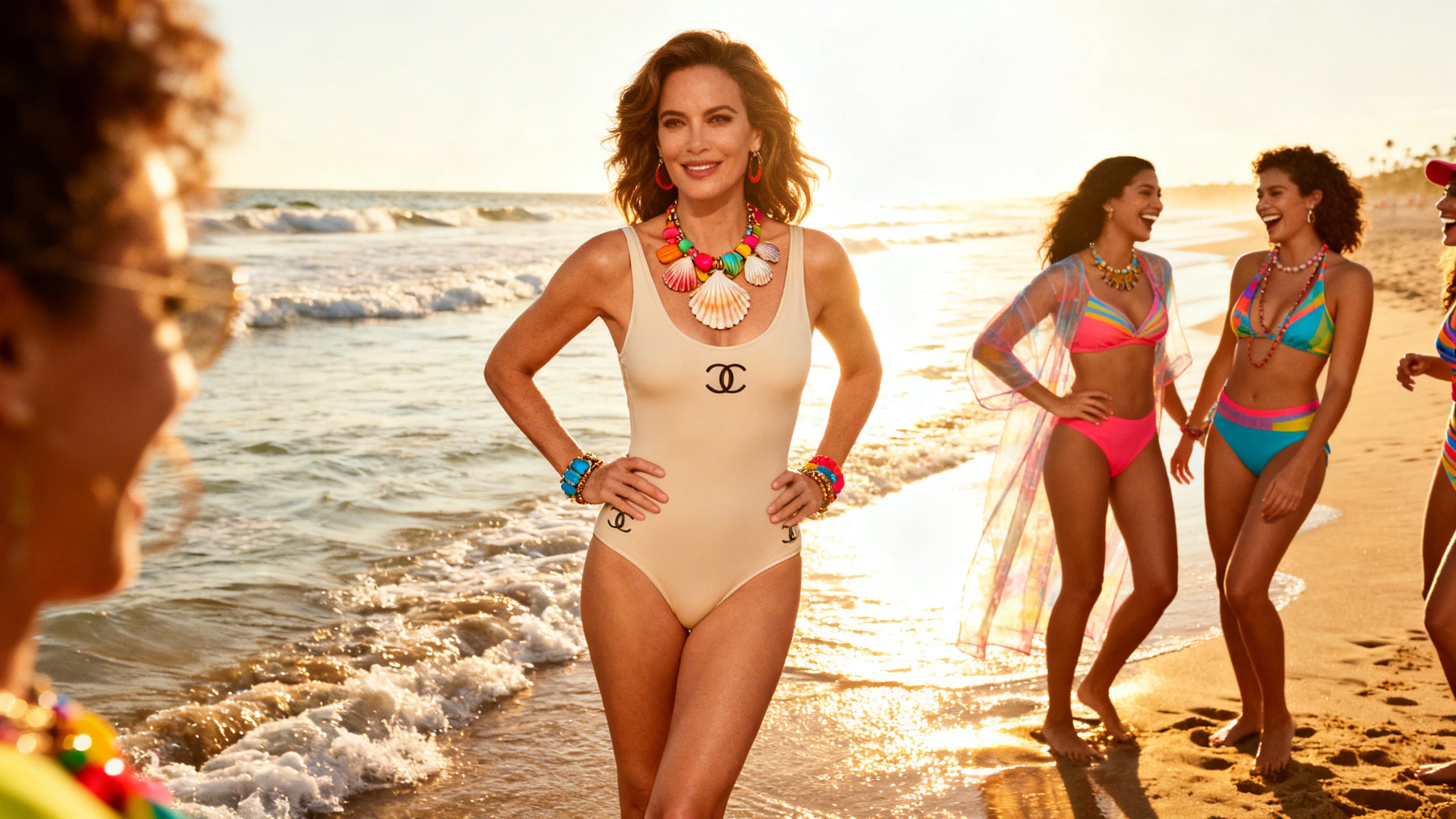
Bikini Trends Shaping Summer Style
Bikini trends have become an important part of the seasonal fashion conversation, reflecting changing preferences in color, proportion, materials, and styling. While the bikini has existed for decades, its appearance continues to evolve as designers and audiences reinterpret familiar shapes. Contemporary beach fashion is less about one universally accepted silhouette and more about variety, allowing different visual directions to exist within the same season.
One of the most noticeable characteristics of current bikini trends is the return of recognizable details from earlier decades. High-waisted bottoms, structured tops, simple straps, and retro-inspired prints regularly appear in new interpretations. At the same time, minimalist designs with clean lines remain relevant. These contrasting directions show how swimsuit styles can move between nostalgia and modern simplicity without becoming limited to one aesthetic.
Color also plays an important role in summer trends. Bright shades can create a lively connection with warm weather, while muted tones offer a quieter appearance. Earthy neutrals, soft pastels, deep blues, and vivid accents can all appear within the same seasonal landscape. Beachwear inspiration often comes from natural surroundings, including sand, water, vegetation, and sunset tones, making color selection closely connected with the visual atmosphere of coastal destinations.
Another interesting development is the growing relationship between swimwear and everyday clothing. A bikini may be worn beneath an open shirt, lightweight jacket, loose trousers, or a flowing skirt, allowing it to become part of a larger outfit. This approach connects womens swimwear with resort fashion and creates more possibilities for styling. Instead of treating a swimsuit as an isolated garment, contemporary wardrobes can incorporate it into several stages of a holiday day.
The variety of bikini shapes has expanded as well. Triangle tops remain familiar, but bandeau designs, square necklines, halter shapes, asymmetrical constructions, and more supportive silhouettes provide alternatives. Bottoms can range from minimal cuts to high-rise versions with wider sides. These differences are not simply decorative. They demonstrate how modern swimwear can respond to changing expectations around comfort, movement, and personal preference.
Fabric choices contribute another layer to contemporary design. Smooth technical materials can create a sporty impression, while textured surfaces may add a more tactile character. Ribbed fabrics, subtle patterns, matte finishes, and carefully placed decorative elements can change the appearance of a familiar silhouette without requiring dramatic structural changes. These details help keep swimsuit styles visually diverse while preserving recognizable forms.
Beach fashion is also influenced by the growing popularity of coordinated dressing. Matching bikinis with cover-ups, shirts, skirts, or accessories can create a unified appearance. This idea connects naturally with vacation fashion because travelers often want clothing that works across different environments. A swimsuit may begin as beachwear and later become part of an outfit for a casual meal, a walk along the coast, or a relaxed afternoon at a resort.
Resort fashion has therefore become an important reference point for understanding contemporary swimwear. Tropical destinations, Mediterranean coastlines, island landscapes, and urban seaside locations can each inspire different visual moods. Some styles emphasize clean minimalism, while others use expressive prints and decorative details. The result is a broad range of aesthetics rather than a single definition of holiday dressing.
The influence of social media has accelerated the visibility of these changes. Images can circulate between countries almost instantly, allowing ideas from different fashion cultures to interact. A design detail that appears in one location may quickly become part of wider summer trends. This does not mean every trend becomes universal, but it does create a faster exchange of visual references and styling ideas.
Beachwear inspiration can also emerge from sources outside fashion itself. Film photography, architecture, vintage travel imagery, contemporary art, and local landscapes can influence the way colors and silhouettes are presented. These references often give swimwear a particular atmosphere. A simple black swimsuit may feel architectural when photographed against modern buildings, while a colorful bikini can appear completely different when surrounded by tropical vegetation.
Womens swimwear has consequently become more varied in both design and interpretation. Some people prefer understated pieces with minimal decoration, while others are attracted to expressive prints, unusual cuts, or nostalgic details. The range of available silhouettes reflects a broader shift toward individual styling rather than strict seasonal rules.
Vacation fashion reinforces this idea because travel often encourages experimentation. A person may choose different colors or shapes for a seaside destination than they would for everyday clothing. Lightweight layers, woven accessories, relaxed shirts, and comfortable footwear can transform the overall appearance of a swimsuit. In this context, bikini trends become part of a broader approach to dressing for leisure rather than a separate category.
The continued popularity of classic silhouettes also demonstrates that fashion trends rarely replace one another completely. Instead, they overlap. A traditional triangle bikini can coexist with an innovative asymmetrical design, while a vintage-inspired one-piece can appear alongside a minimalist contemporary swimsuit. Modern beach fashion is therefore characterized by coexistence rather than a single dominant direction.
Another factor shaping current summer trends is the interest in versatility. Consumers increasingly notice whether clothing can be styled in several ways rather than serving only one purpose. This has encouraged designers to consider adjustable straps, reversible constructions, coordinated pieces, and silhouettes that transition easily between settings. Such details connect practical considerations with aesthetic choices.
The same principle can be seen in resort fashion, where a successful holiday wardrobe often depends on combining a relatively small number of adaptable pieces. A bikini can become a base layer, while an oversized shirt can provide coverage and change the character of the outfit. This flexible approach makes beachwear inspiration more useful because it focuses on combinations rather than individual garments.
Patterns continue to provide another route for experimentation. Stripes can suggest a maritime influence, florals can create a softer seasonal mood, and geometric motifs can give swimwear a more graphic appearance. Animal-inspired patterns and abstract designs periodically return as well. These visual languages demonstrate how bikini trends can change without requiring entirely new silhouettes.
Technology and fabric development also influence the modern swimsuit. Materials designed for elasticity, durability, and comfort allow designers to explore shapes that would have been difficult to produce in earlier periods. At the same time, traditional fabric textures continue to appear because tactile qualities remain important to the visual experience of clothing.
When viewed over time, the development of swimwear reveals a continuous balance between familiarity and experimentation. The most recognizable designs remain relevant because they provide a foundation, while new details allow each generation to reinterpret them. This relationship helps explain why certain bikini trends return repeatedly while still appearing contemporary.
Beach fashion ultimately reflects more than seasonal aesthetics. It brings together travel, leisure, cultural references, photography, and changing attitudes toward clothing. The evolution of swimsuit styles can therefore be understood as part of a much wider fashion story. Each season adds new combinations while preserving elements that have already become familiar.
As summer trends continue to develop, the most interesting changes may not necessarily be dramatic. Small adjustments in proportion, color, texture, or styling can make a familiar silhouette feel new. Beachwear inspiration will continue to come from many directions, while womens swimwear will remain a flexible field where classic ideas and contemporary experimentation meet.
The future of bikini trends is therefore unlikely to follow a single path. Instead, different aesthetics will continue to coexist, shaped by travel culture, technology, visual media, and individual preferences. Vacation fashion will keep influencing how swimwear is styled beyond the beach, and resort fashion will remain closely connected with seasonal wardrobes. Together, these developments show why modern swimwear remains an evolving part of fashion culture rather than a fixed category.